A quiet cat with a very long memory for the people it loves
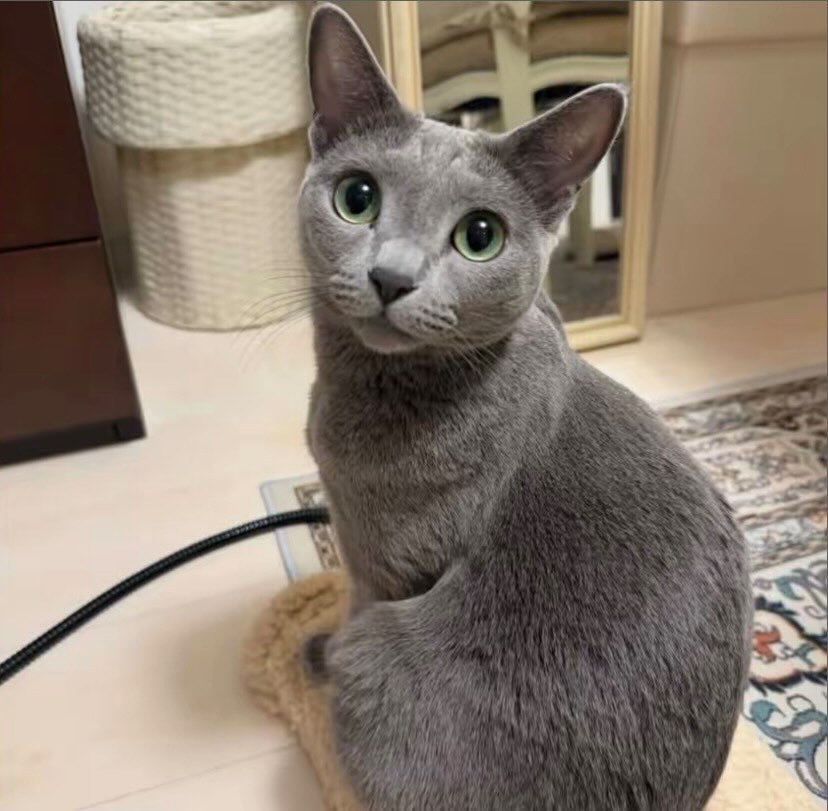
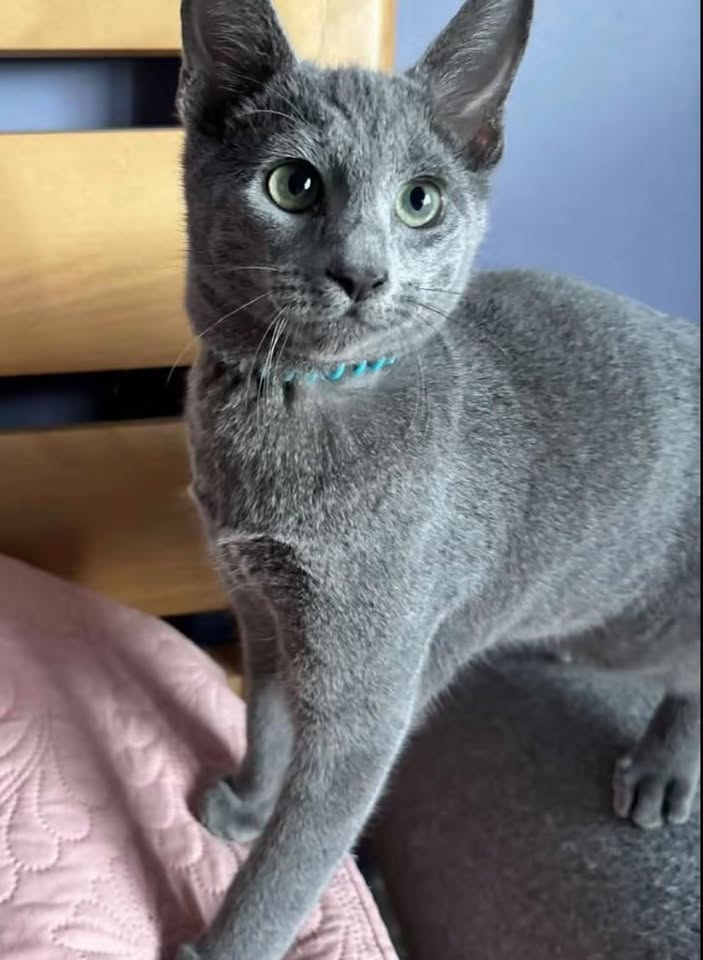
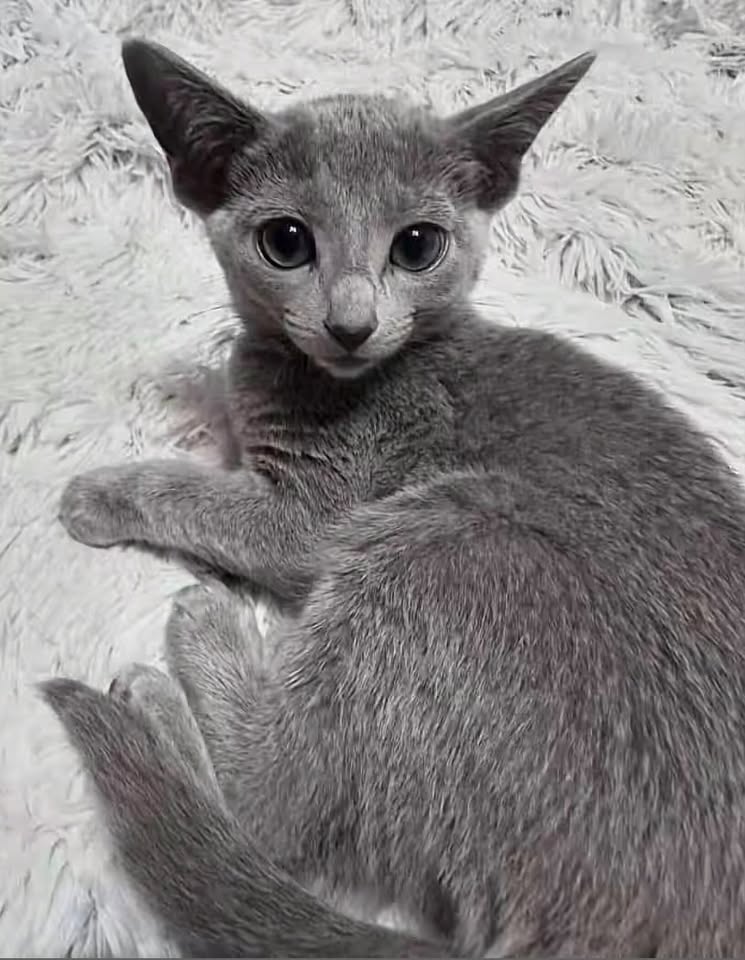
Sailors carried them out of the White Sea port of Arkhangelsk in the 1860s. Everything the breed is known for came from that cold north: a dense double coat that stands away from the body, silver-tipped guard hairs that catch light like frost, and an unusually reserved, thoughtful nature.
They are not lap-flingers. A Russian Blue chooses a person — often the quietest one in the room — and then follows that person around for fifteen years.
In short
- Coat
- Plush double, silver-tipped
- Eyes
- Vivid green by four months
- Temperament
- Gentle, shy with strangers
- Lifespan
- 15 – 20 years
- Shedding
- Low — easier on allergies
- Voice
- Soft, used sparingly
What they are actually like to live with
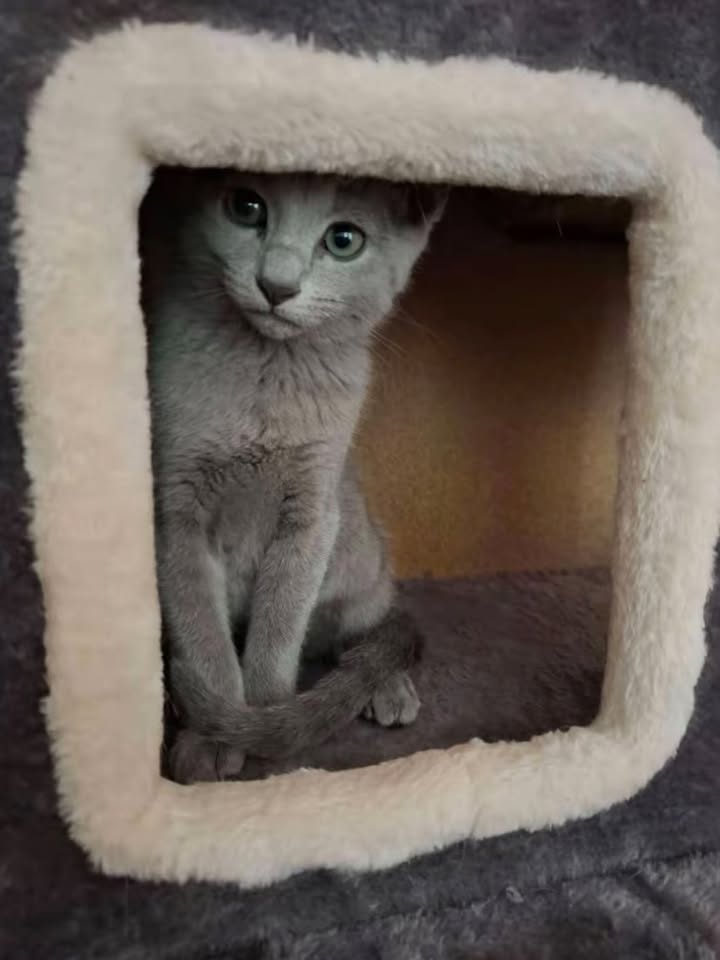
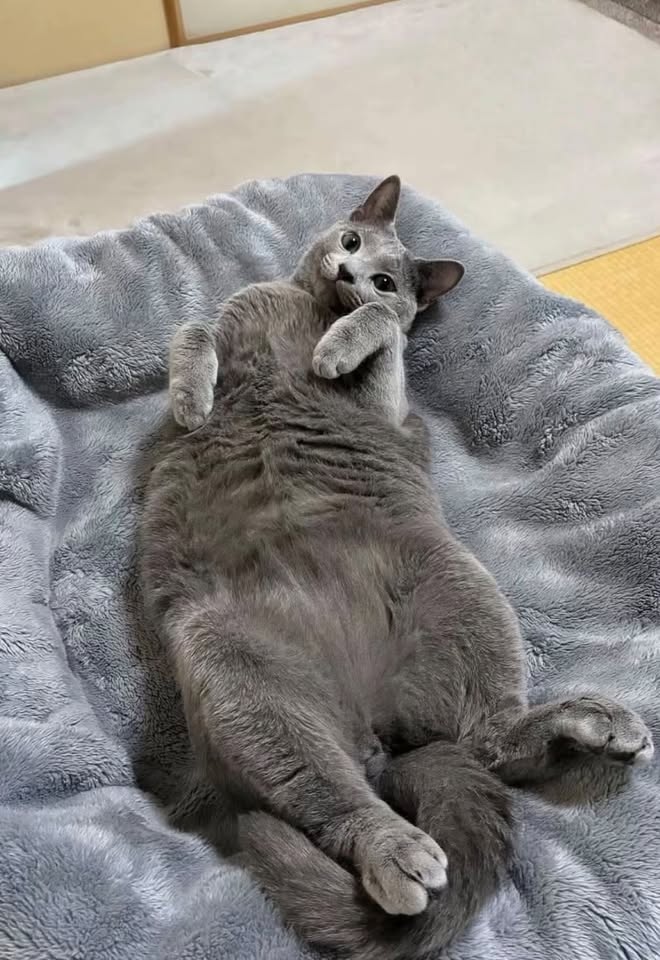
Clean to a fault, and famously particular about the litter tray. Quiet — you will hear a Russian Blue perhaps three times a day, and never for nothing. They dislike disorder and loud arrivals, and will vanish when the doorbell goes, then reappear once your guest has sat down and stopped shouting.
They are also funny, in a dry way. Ours open cupboards, carry socks around the house, and sit on the stairs at exactly head height so they can be greeted properly on the way past.
Where they struggle: long days alone. If nobody is home from eight until seven, take two.
The first fortnight, briefly
Start small. One quiet room with food, water, litter and a hiding place. The rest of the house can wait three days.
Keep the food identical for two weeks, then change it over a further week. Russian Blues have famously opinionated stomachs.
Brush weekly, no more. The double coat looks after itself; over-brushing thins the silver tips.
Two trays, one more than you think. Scooped daily. This breed will simply stop using a tray it considers beneath it.
Let them come to you. Patience in week one buys you fifteen years of company.
Think one might suit you?
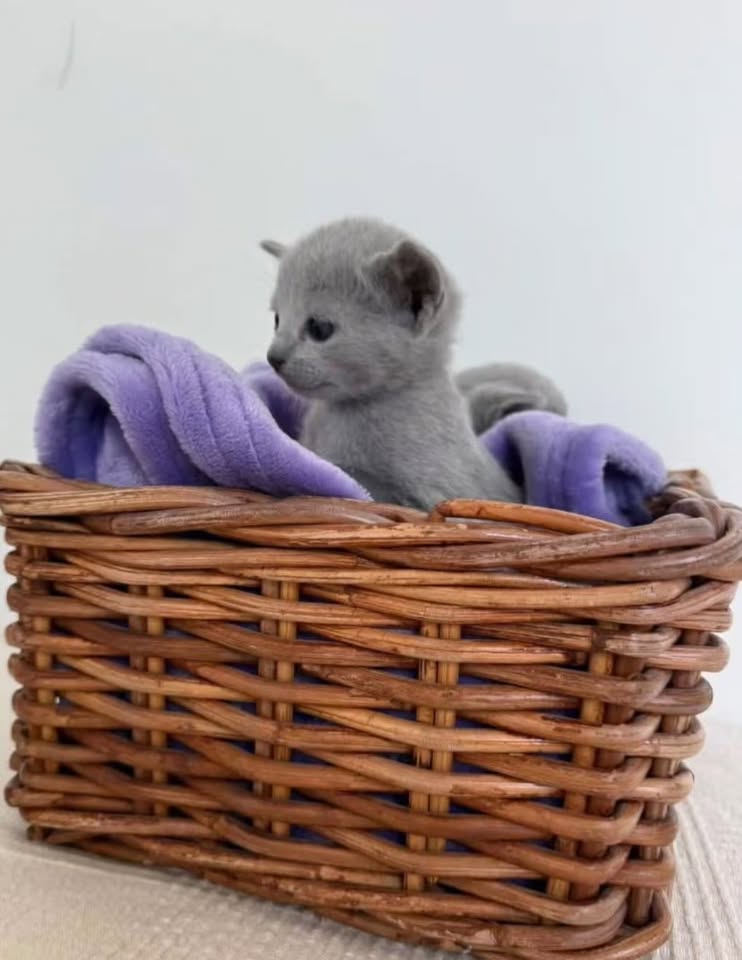
Six kittens are available now, and we are happy to talk you out of the breed if it is not the right fit.